Maintaining the plumbing in your bathroom sink is essential for ensuring its longevity and preventing unexpected repairs. With a few simple DIY strategies, homeowners can keep their sinks in excellent condition, saving both time and money. This guide will walk through some practical tips for maintaining your bathroom sink plumbing, equipping you with the knowledge to tackle minor issues before they escalate.
Understanding Your Sink’s Anatomy
Before diving into maintenance tips, it’s crucial to understand the basic components of your bathroom sink plumbing. These include:
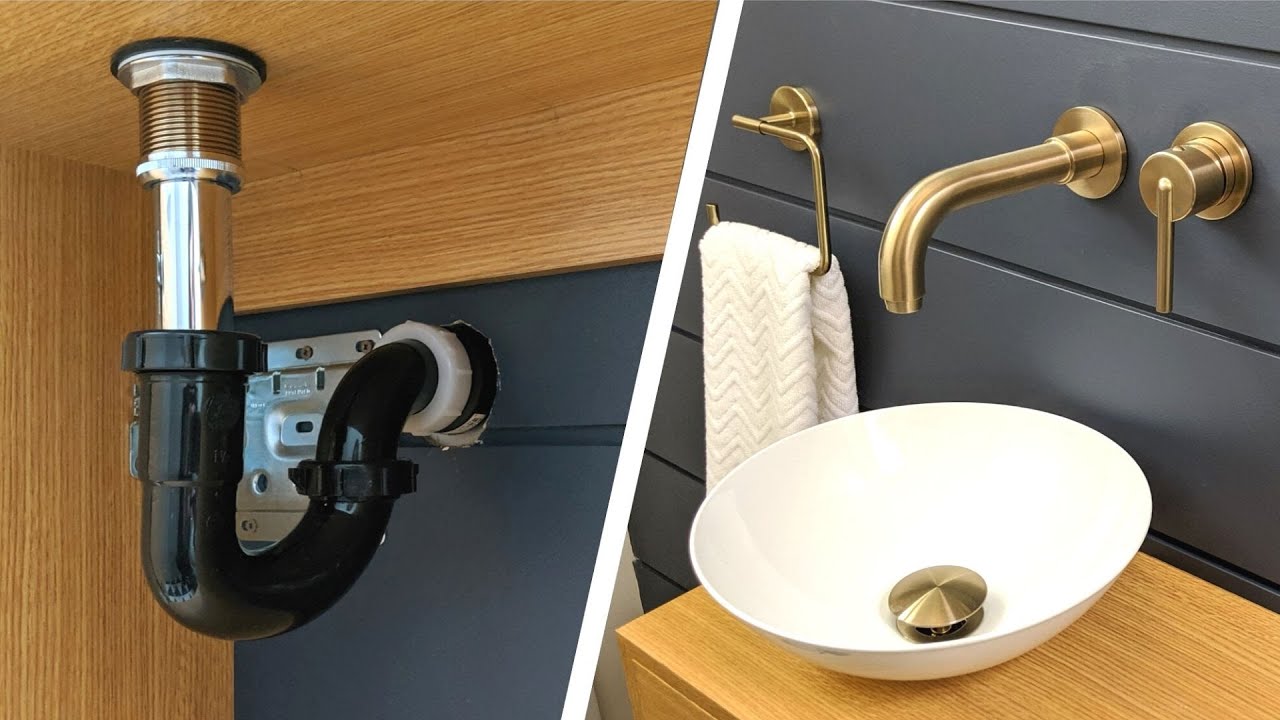
- P-Trap: This U-shaped pipe retains a small amount of water, preventing sewer gases from entering your home.
- Drain Stopper: Controls the flow of water in the sink and prevents objects from entering the drain.
- Supply Lines: Deliver hot and cold water to the sink.
- Shut-off Valves: Allow you to stop water flow when repairs are necessary.
Routine Maintenance Tips
Regular Cleaning
Keeping your sink clean is a simple yet effective way to maintain its plumbing. Here are some cleaning tips:
- Use a mixture of vinegar and baking soda every month to keep drains clear. Pour half a cup of baking soda followed by half a cup of vinegar down the drain. Let it sit for 15 minutes, then flush with hot water.
- Remove and clean the drain stopper regularly to prevent the buildup of hair and soap scum.
Inspecting for Leaks
Regular inspections can help identify leaks before they become serious problems. Here’s how to check for leaks:
- Find out more about this approach. Look under the sink for any signs of moisture or mold, which can indicate a leak.
- Check the P-trap and supply lines for any signs of corrosion or dripping water.
Preventive Measures
Install Mesh Screens
Mesh screens can be placed over the drain to prevent hair and large debris from entering and clogging the pipes. These screens are inexpensive and easy to clean, making them a simple solution to avoid blockages.
Monitor Water Pressure
Excessive water pressure can strain your plumbing fixtures. To keep it in check:
- Install a pressure regulator to monitor and adjust the water pressure if necessary.
- Regularly test your water pressure using a gauge. The optimal range is typically between 40 and 60 psi.
When to Call a Professional
While many plumbing maintenance tasks can be handled at home, certain situations require professional intervention. Consider calling a plumber if you encounter:
- Persistent clogs that do not resolve with DIY methods.
- Leaking pipes that could lead to water damage.
- Corrosion or rust on the plumbing fixtures.
For situations that need expert attention, explore advanced guides and tips to understand when professional help is necessary.
Conclusion
Maintaining your bathroom sink plumbing is not only about addressing problems as they arise but also implementing preventive measures to avoid future issues. Regular inspections, cleaning, and being mindful of water pressure are key aspects of effective maintenance. For more detailed advice or when in doubt, discover expert strategies here to ensure your plumbing remains in top condition.
